1088
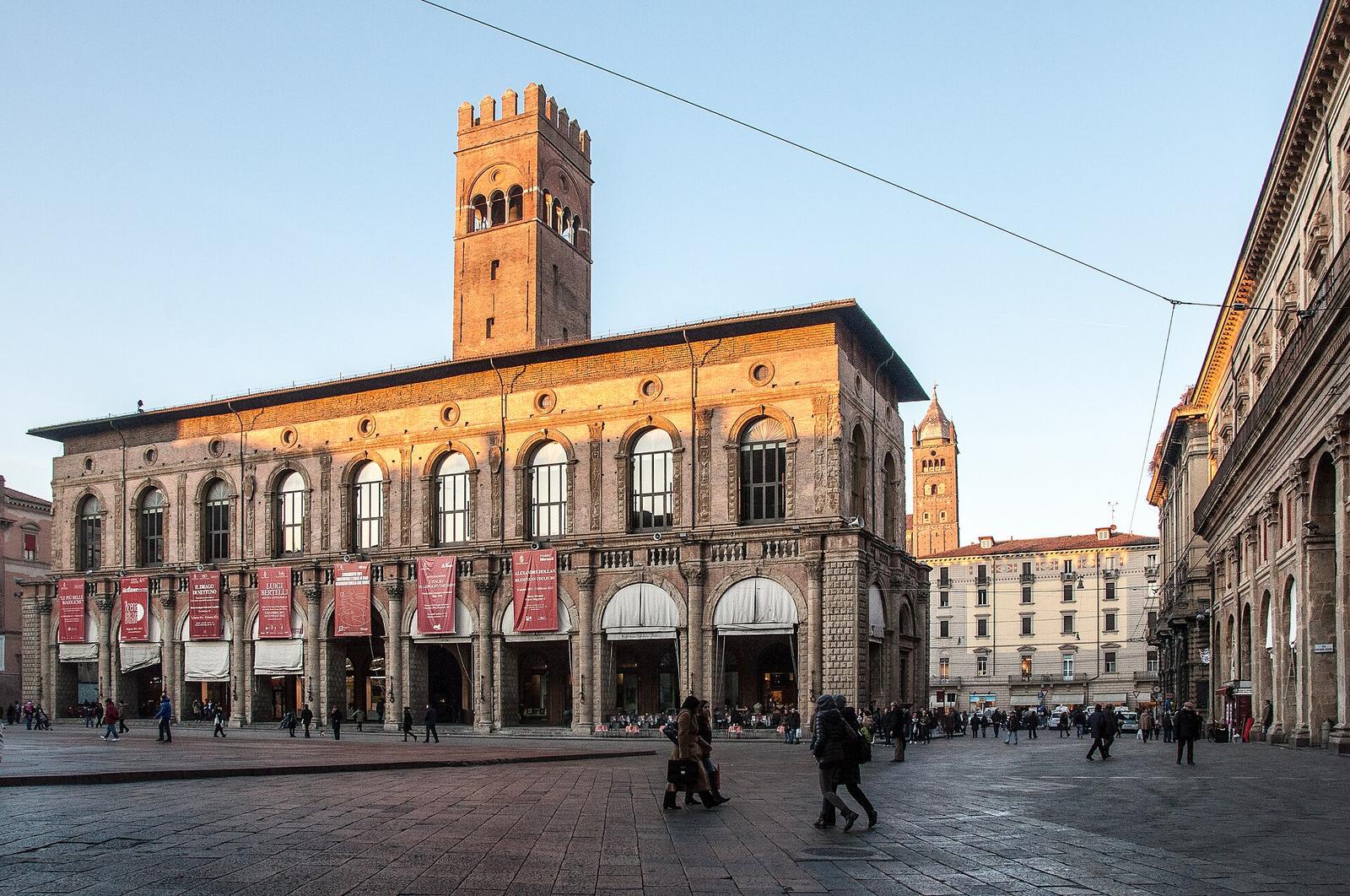
A tradition since 1088
Bologna is the oldest university in continuous operation in the Western world. Padua followed in 1222.
Study in Italy · University admission & student visa
From choosing the right course to your first week in Italy, we help students and parents understand the options, the paperwork and the costs, so every decision is an informed one.
Universities we guide applications to


Who we are
Italy Study Consultants helps students from Noida, Delhi NCR and across India plan their studies in Italy. We explain the process plainly, including requirements, fees, timelines and limitations, and stay with you from the first conversation to your first week on campus.
Reliable, respectful, transparent communication.
Simple steps and one clear next action at a time.
A welcoming bridge between students and Italian education.
Life in Italy
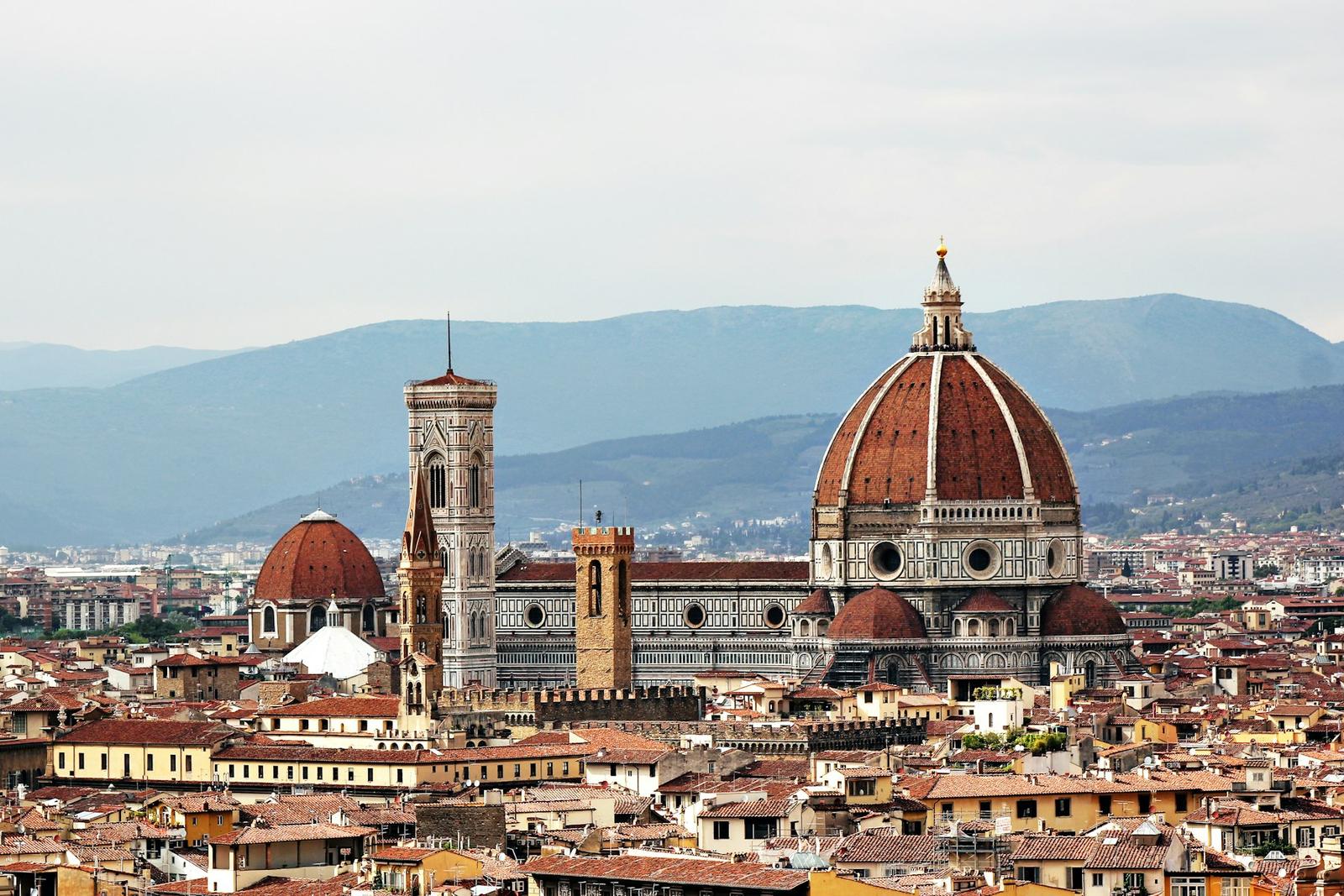
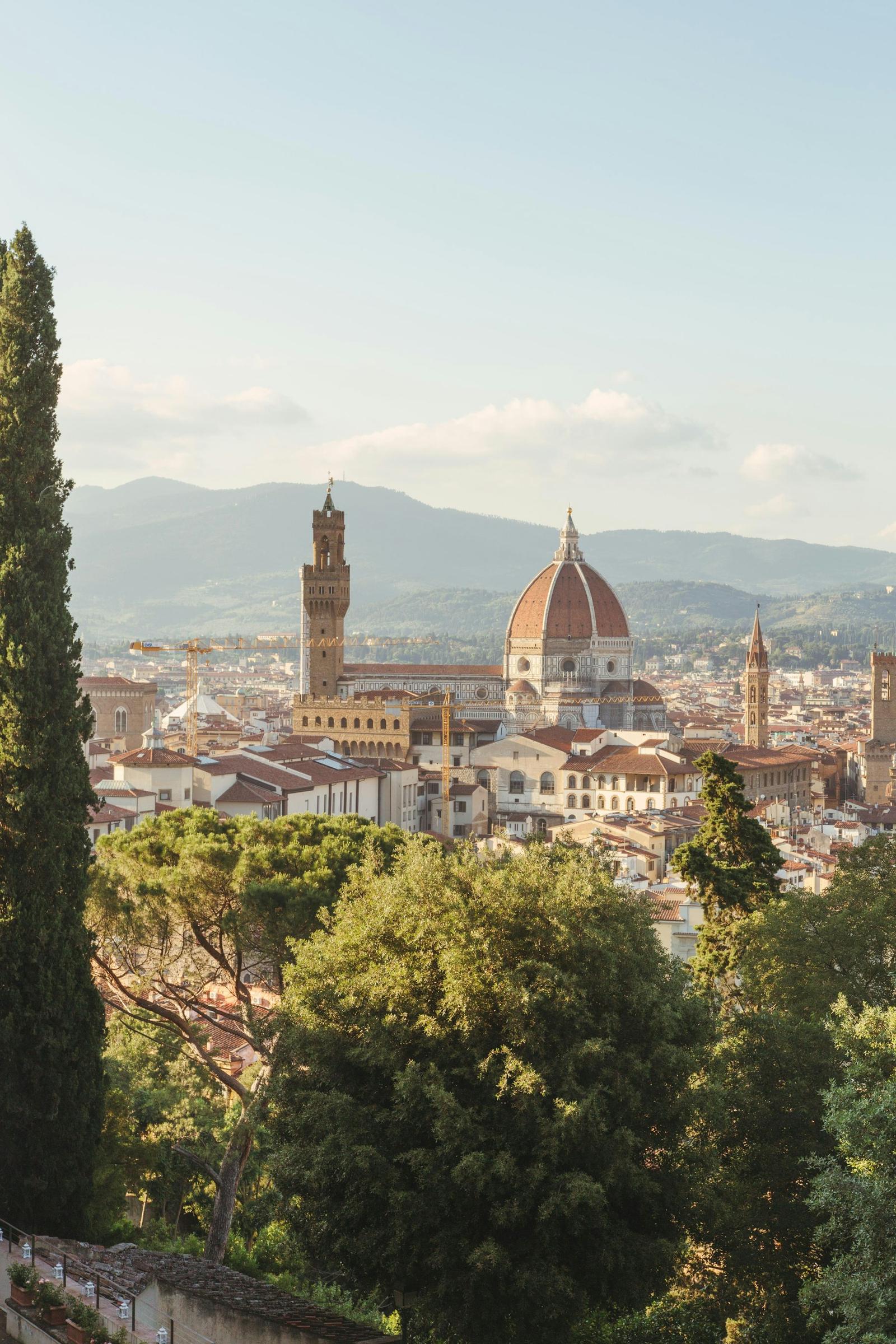
Florence, Tuscany
Study where architecture, art and everyday life become part of your education, with Europe a short train ride away.
Explore universities & cities
Why Italy
Bologna is the oldest university in continuous operation in the Western world. Padua followed in 1222.
Public universities typically charge about €500 – €3,000 a year, and many link fees to family income.
Students can usually work up to 20 hours a week during semesters and full-time in holidays.
Graduates can apply for a residence permit of up to 12 months to look for work in Italy.

Italy follows the Bologna Process: a three-year bachelor's followed by a two-year master's.

Many universities accept a Medium of Instruction letter as proof of English. We check each course.
With a residence permit you can make short trips across the Schengen area during breaks.
Study programmes
Choose a level to see typical duration, fees and eligibility, then browse the subjects Indian students most often choose in Italy.
Eligibility. Class 12 from a recognised board (CBSE, ICSE or State). Portfolio for design, architecture and fashion.
Eligibility. A relevant bachelor's degree, SOP, 1–2 recommendation letters and an updated CV.
Eligibility. Bachelor's degree; work experience strengthens the profile. GMAT/GRE can be waived for strong profiles at some schools.
Eligibility. Indian students must meet NMC eligibility, including a qualifying NEET result. Public English-taught programmes use the IMAT.
01 / 09 subject areas
Politecnico di Milano, Politecnico di Torino, Padua
Bologna, Pisa, Politecnico di Milano
Bocconi, LUISS, Ca' Foscari, Bologna
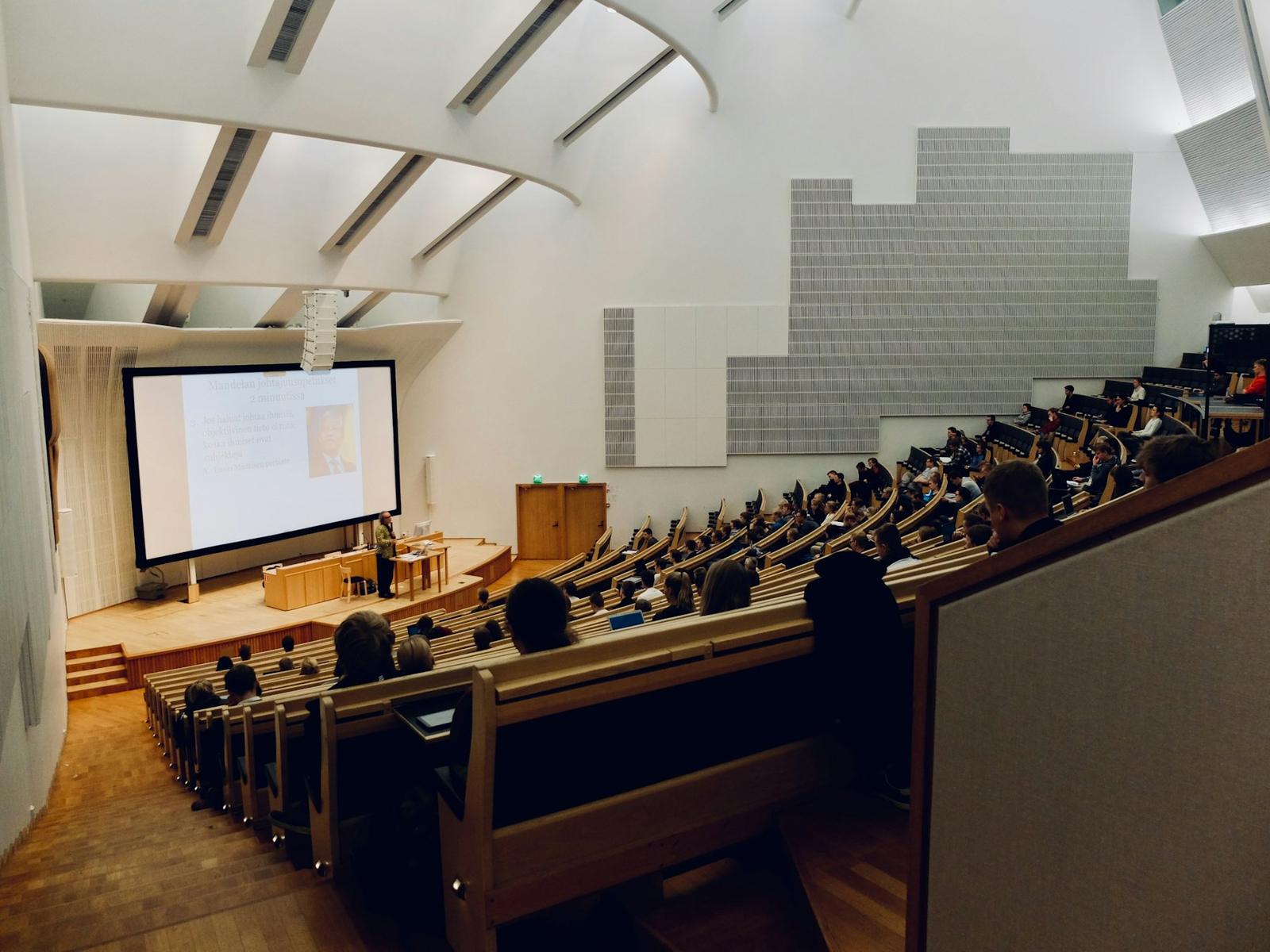
Pavia, Milan, Bologna, Cattolica (Rome)
Politecnico di Milano and Milan's design schools
Politecnico di Milano, Politecnico di Torino, Sapienza
Bocconi, Bologna, Florence, Ca' Foscari
Universities and specialist schools across Italy
Padua, Florence, Sapienza, Bologna
What we do
Nine services, one team. Use the ones you need, or let us manage the whole journey.
We review your academics, interests, budget and career goals before suggesting anything.
Learn moreA shortlist of Italian universities and programmes that genuinely match your profile.
Learn moreForms, documents and deadlines handled carefully, including Universitaly pre-enrolment.
Learn moreStatements of purpose, CVs and recommendation letters that sound like you, only sharper.
Learn moreDSU regional scholarships, university merit awards and fee waivers you may be eligible for.
Learn moreType D visa documentation, appointment booking and mock interviews before you go in.
Learn moreHelp comparing education loan options and preparing the paperwork lenders ask for.
Learn moreCoaching for IELTS where your course needs it, plus everyday Italian to settle in faster.
Learn moreAccommodation, travel, insurance and the first-week paperwork in Italy.
Learn moreUniversities & cities
Tap a city on the map to see its universities, what they are known for and an indicative monthly living cost.
Lombardy
Design, fashion and finance capital, home to Bocconi and Politecnico di Milano.
Indicative living cost €900–1,200 / month
Lazio
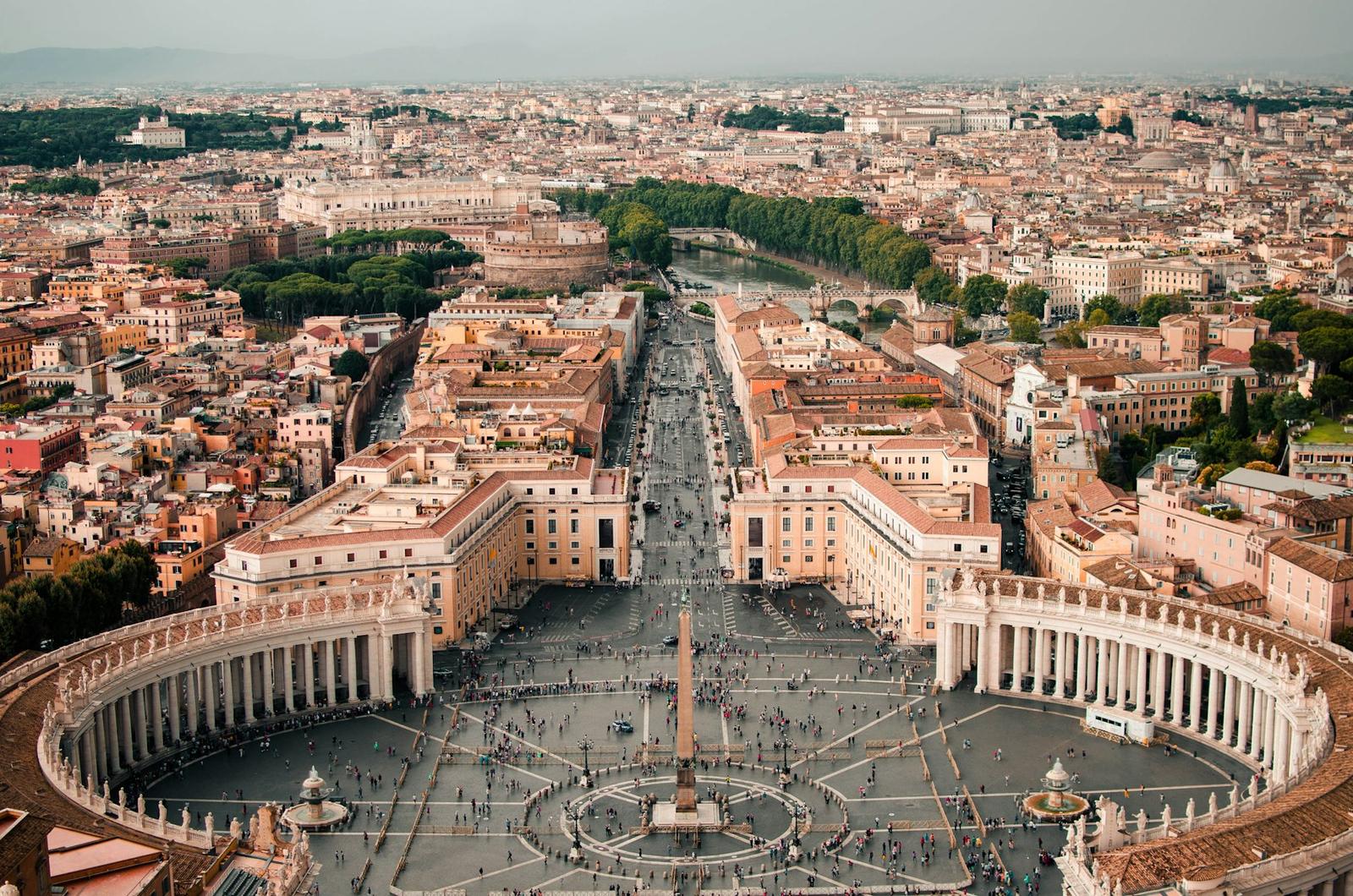
The capital: Sapienza, LUISS and Cattolica's medical campus.
Indicative living cost €850–1,150 / month
Emilia-Romagna
Europe's oldest university town, lively, central and student-first.
Indicative living cost €750–1,000 / month
Tuscany
Renaissance city for architecture, art, law and political science.
Indicative living cost €750–1,000 / month
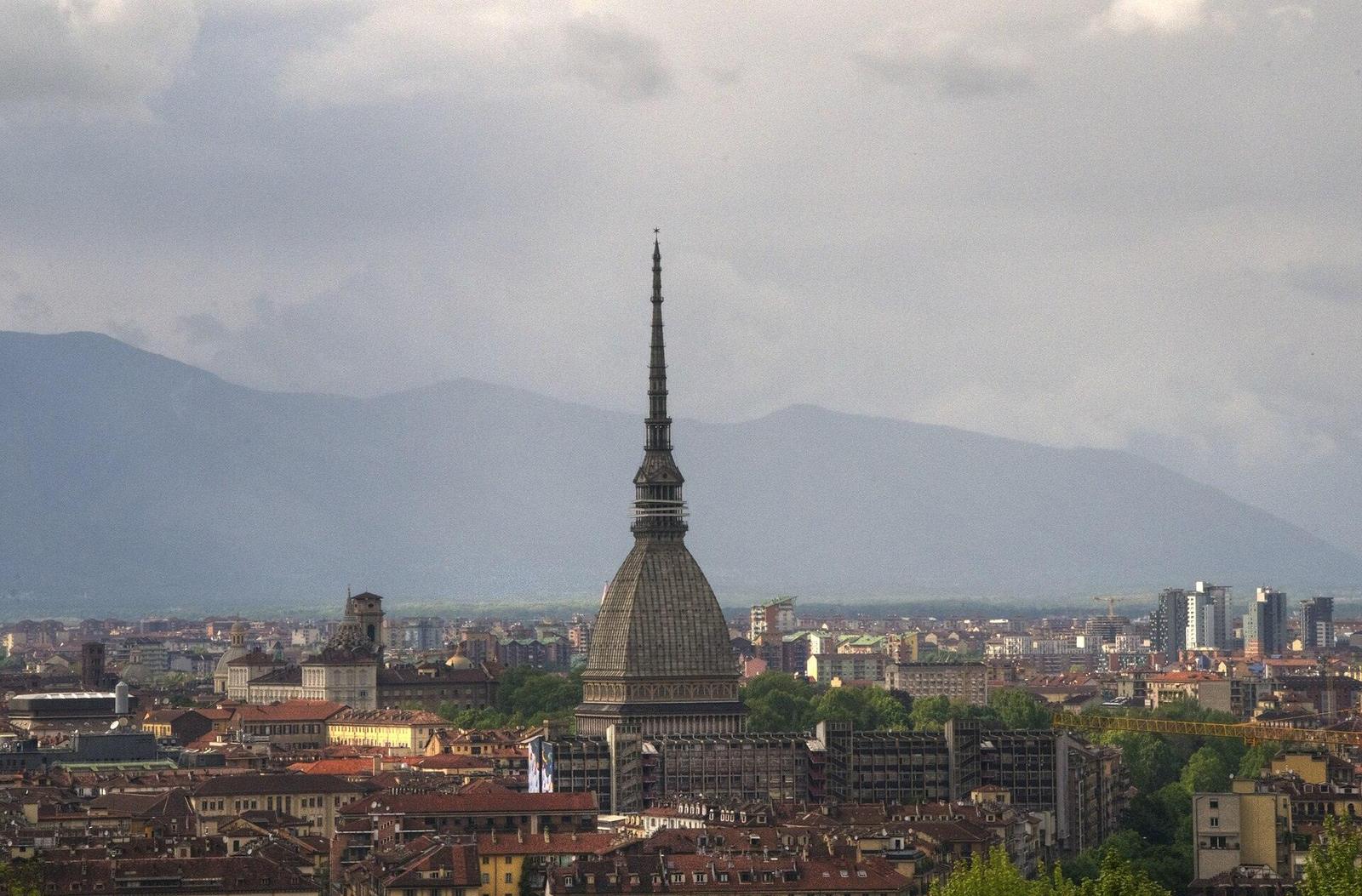
Piedmont
Engineering and automotive hub, home to Politecnico di Torino.
Indicative living cost €700–950 / month
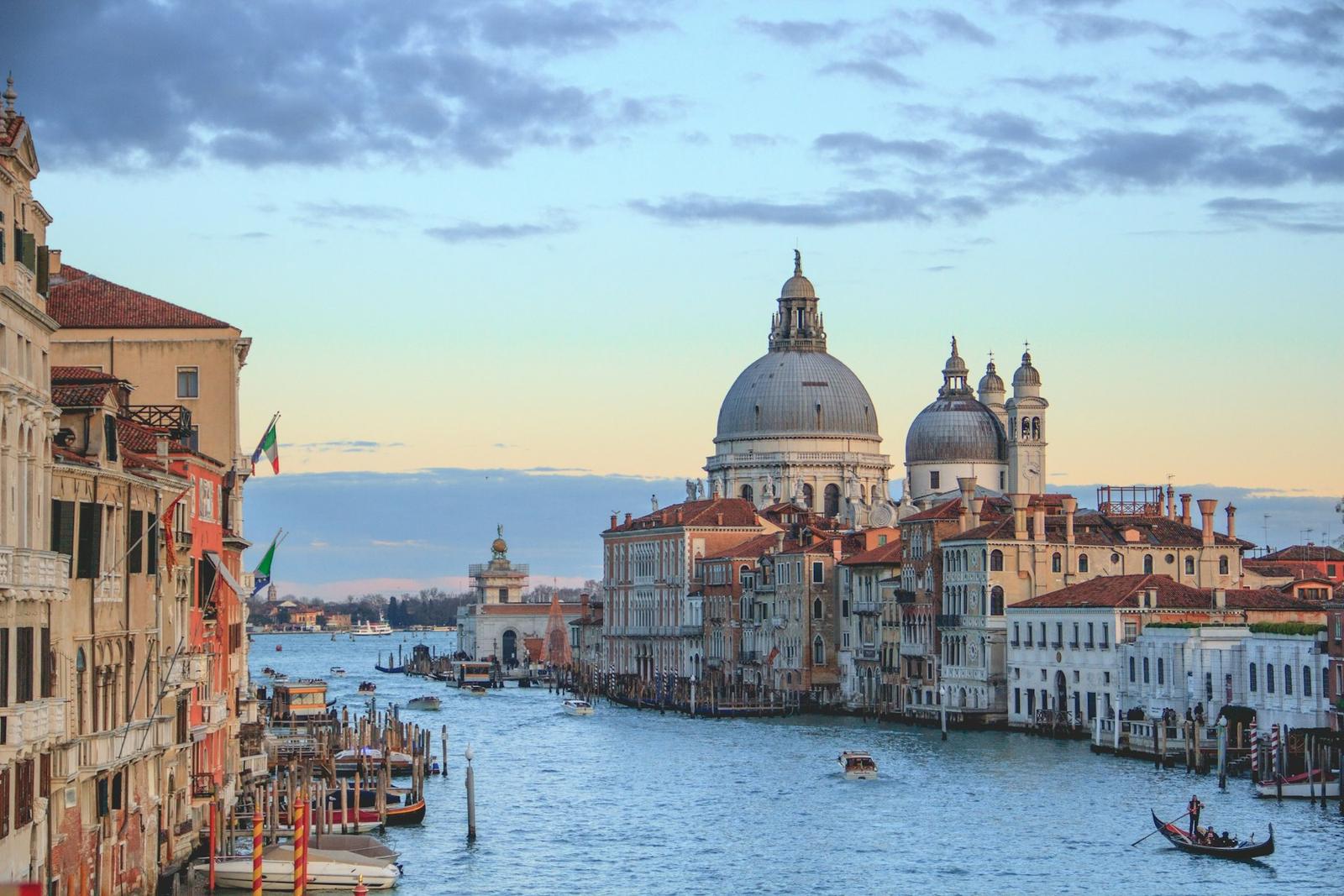
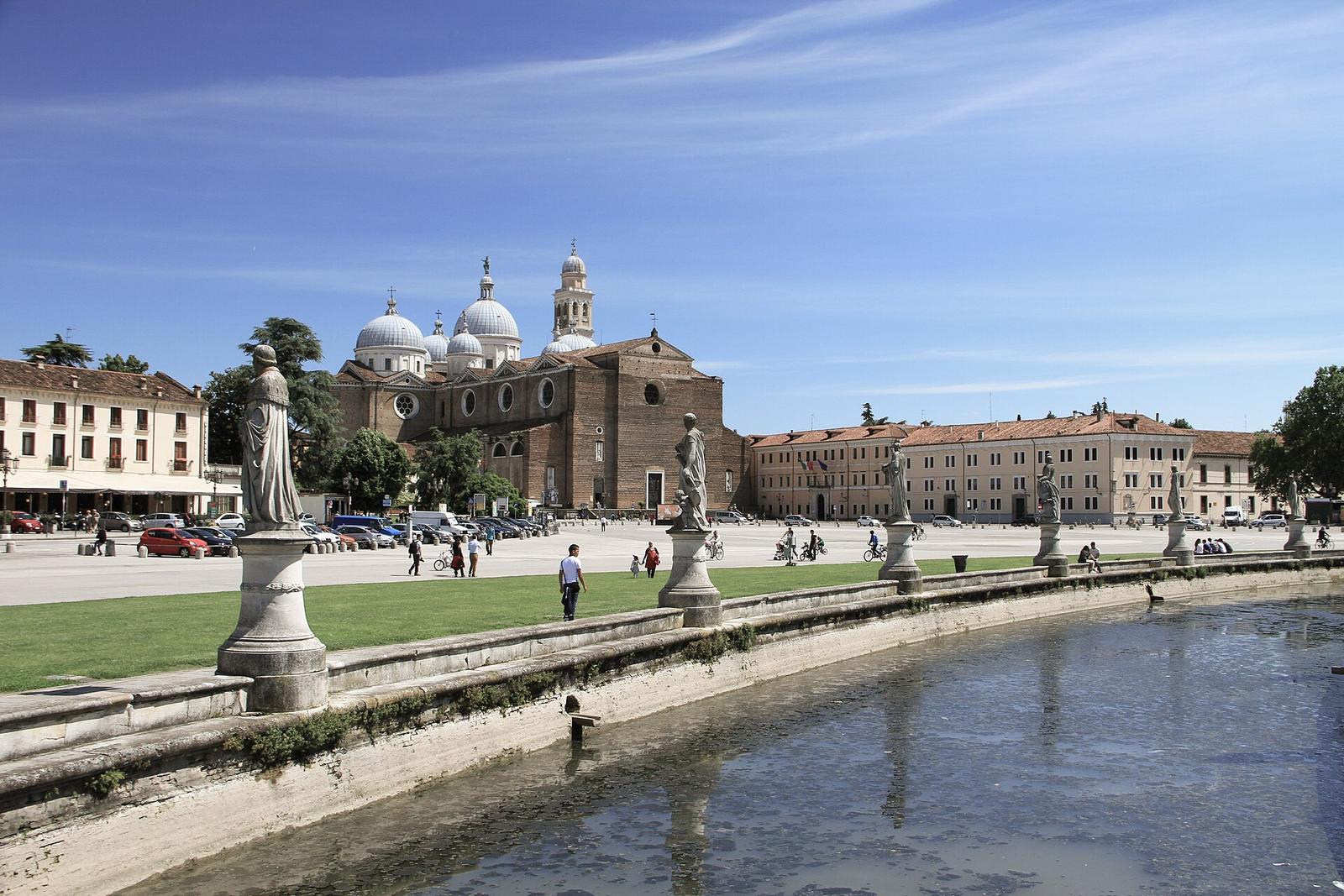
Veneto
Historic university city with strong medicine and psychology.
Indicative living cost €650–900 / month
Veneto
Ca' Foscari on the lagoon: economics, management and languages.
Indicative living cost €750–1,000 / month
Tuscany
Compact student city with the University of Pisa and Sant'Anna.
Indicative living cost €650–900 / month
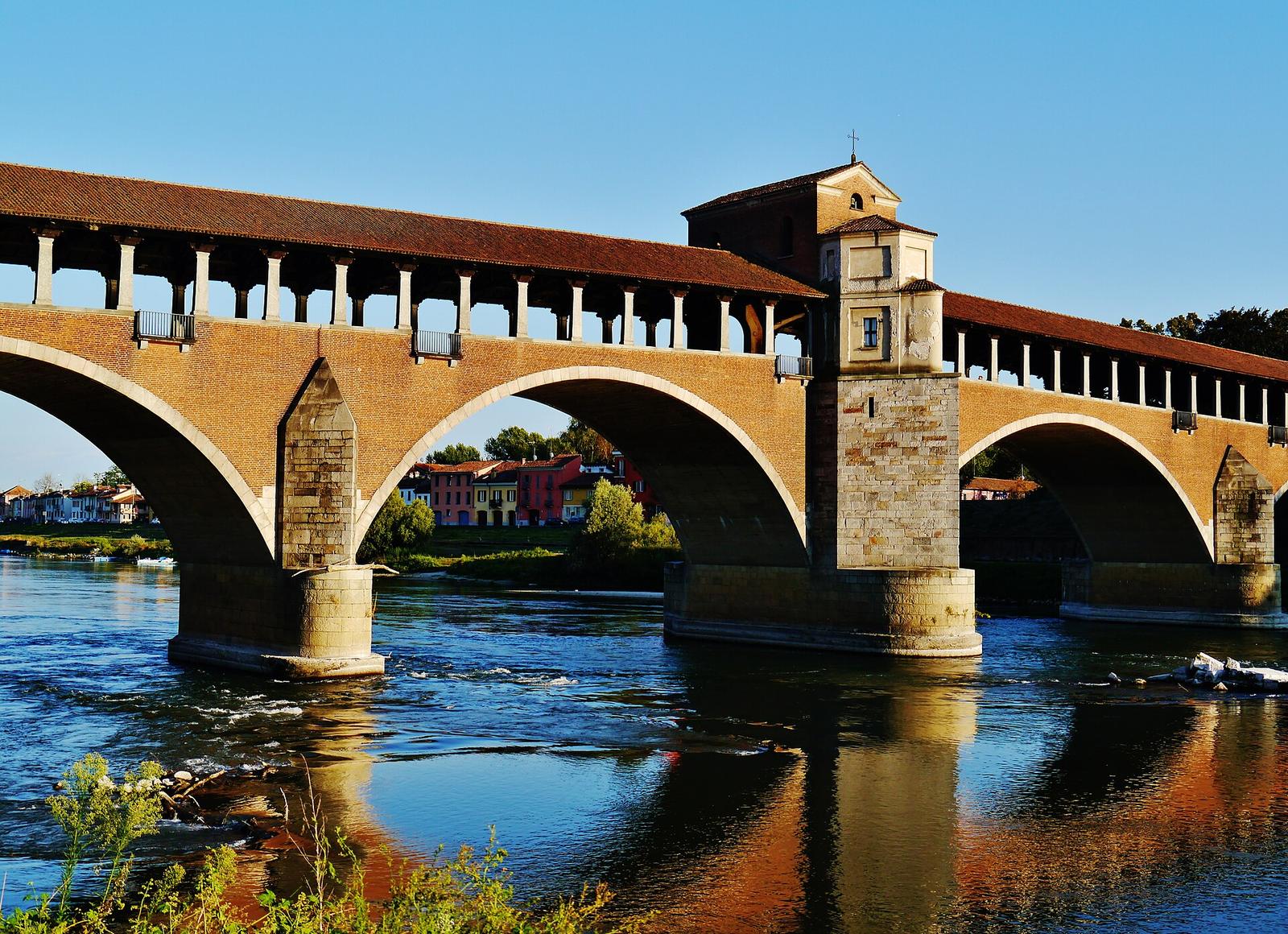
Lombardy
Quiet college town near Milan, known for English-taught medicine.
Indicative living cost €600–850 / month
Select a city
How it works
Start 6 – 8 months before your intake. Every step has an owner, a checklist and a realistic timeframe.
See the visa checklist1 session
A one-to-one session to understand your profile, goals and budget.
1 – 2 weeks
We match you with courses, cities and intakes that fit.
2 – 8 weeks
Applications, SOPs and documents submitted on time to each university.
Varies by university
Offers come in; we help you compare and accept the right one.
2 – 4 weeks
Mandatory Universitaly pre-enrolment plus DoV or CIMEA verification of your certificates.
1 – 3 weeks
Type D visa documents checked line by line; appointment booked.
About 2 – 6 weeks
Mock interviews, submission and passport collection.
First week in Italy
Accommodation, codice fiscale and your permesso di soggiorno within 8 days of arrival.
Cost estimator
Indicative ranges, including about €150 – €250 a year for health insurance. Public universities sit at the lower end, and fees at many are linked to family income. We confirm exact figures for your shortlist.
Scholarships
Regional, need-based support for eligible international students at public universities, plus university merit awards and Italian Government scholarships.
How scholarships workStudent voices
FAQs
Can't find yours? Call +91 99994 67676 or send us a message.
See all FAQsNot always. Many Italian universities accept a Medium of Instruction (MOI) letter from your previous institution as proof of English. Some programmes still prefer IELTS or TOEFL, so it depends on the course. We check this for every university on your shortlist.
Public university tuition is typically around €500 – €3,000 a year, and many public universities link fees to family income. Living costs are usually €600 – €1,200 a month depending on the city: Milan and Rome sit at the top, smaller cities like Padua, Pisa and Pavia lower.
Yes. The regional DSU scholarship can cover tuition, accommodation, meals and a living allowance for eligible students at public universities. There are also university merit scholarships and Italian Government (MAECI) awards. We help with the portals, documents and income certification.
Students can usually work up to 20 hours a week during the semester, and full-time during holidays. Common roles are in hospitality, retail, delivery and on-campus jobs.
The main intake is September – October, with applications typically opening January – April. Some universities offer a smaller February intake for selected courses. We recommend starting 6 – 8 months ahead.
Usually 2 – 6 weeks after you have your admission and key documents in place, and longer during peak season. Appointment availability can add 1 – 3 weeks, so we plan backwards from your course start date.
Your next step
Get guidance on university options, application requirements and your next steps in a free, no-pressure consultation.