Bachelor's
- 10th and 12th marksheets
- Passport
- Statement of purpose
- CV and recommendation letters, if required
- English test score or MOI letter, if required
- Portfolio for design, architecture or fashion
Study programmes
Compare levels side by side, browse subjects, and see exactly when to apply for the September and February intakes.
Compare levels
Typical figures from Italian universities. Fees and requirements vary by course and change each year, so we confirm them for your shortlist.
Eligibility. Class 12 from a recognised board (CBSE, ICSE or State). Portfolio for design, architecture and fashion.
Eligibility. A relevant bachelor's degree, SOP, 1–2 recommendation letters and an updated CV.
Eligibility. Bachelor's degree; work experience strengthens the profile. GMAT/GRE can be waived for strong profiles at some schools.
Eligibility. Indian students must meet NMC eligibility, including a qualifying NEET result. Public English-taught programmes use the IMAT.
What you'll need
Subjects
Nine popular subject areas, with the universities known for each.
01 / 09 subject areas
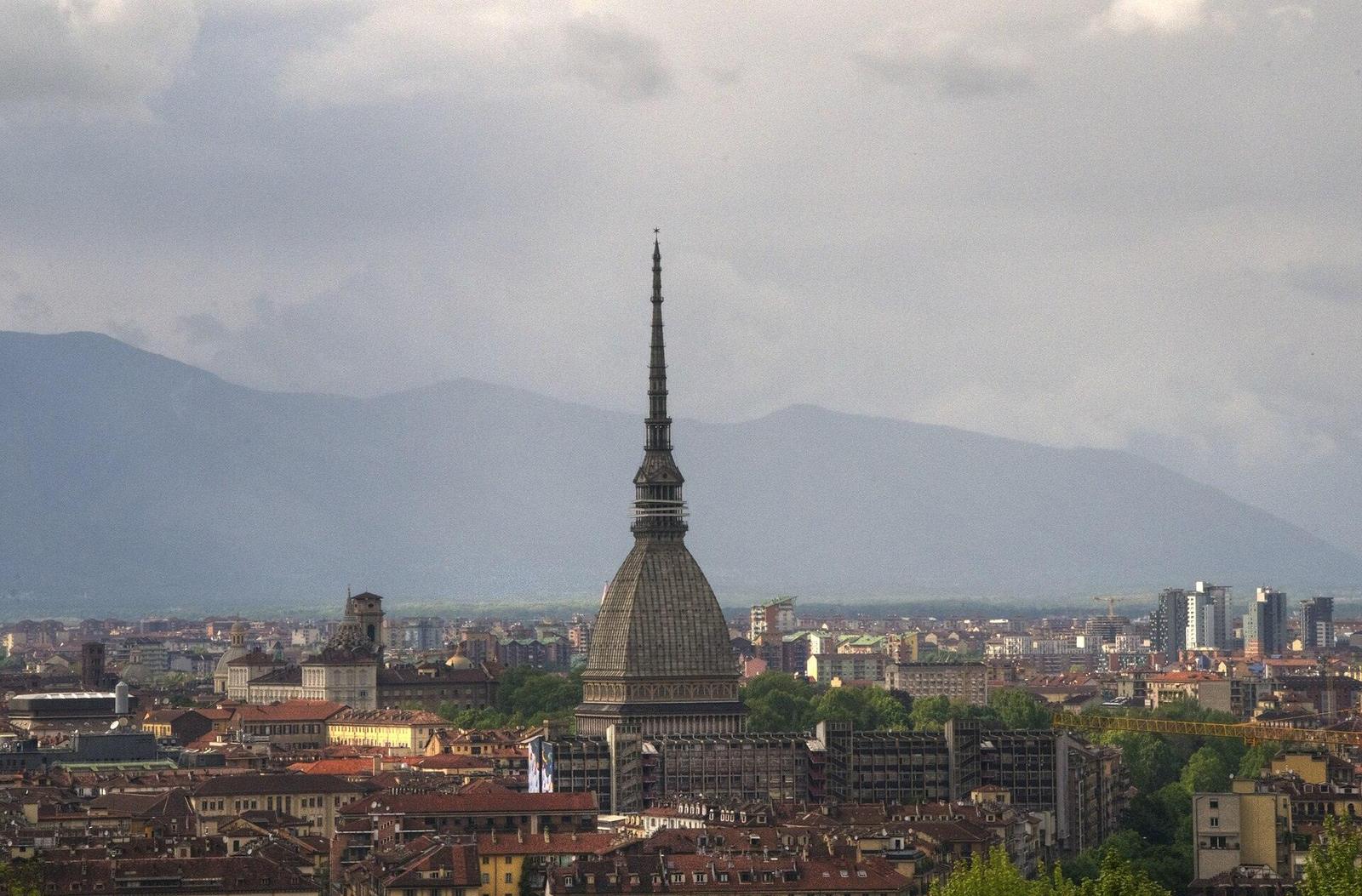
Politecnico di Milano, Politecnico di Torino, Padua

Bologna, Pisa, Politecnico di Milano
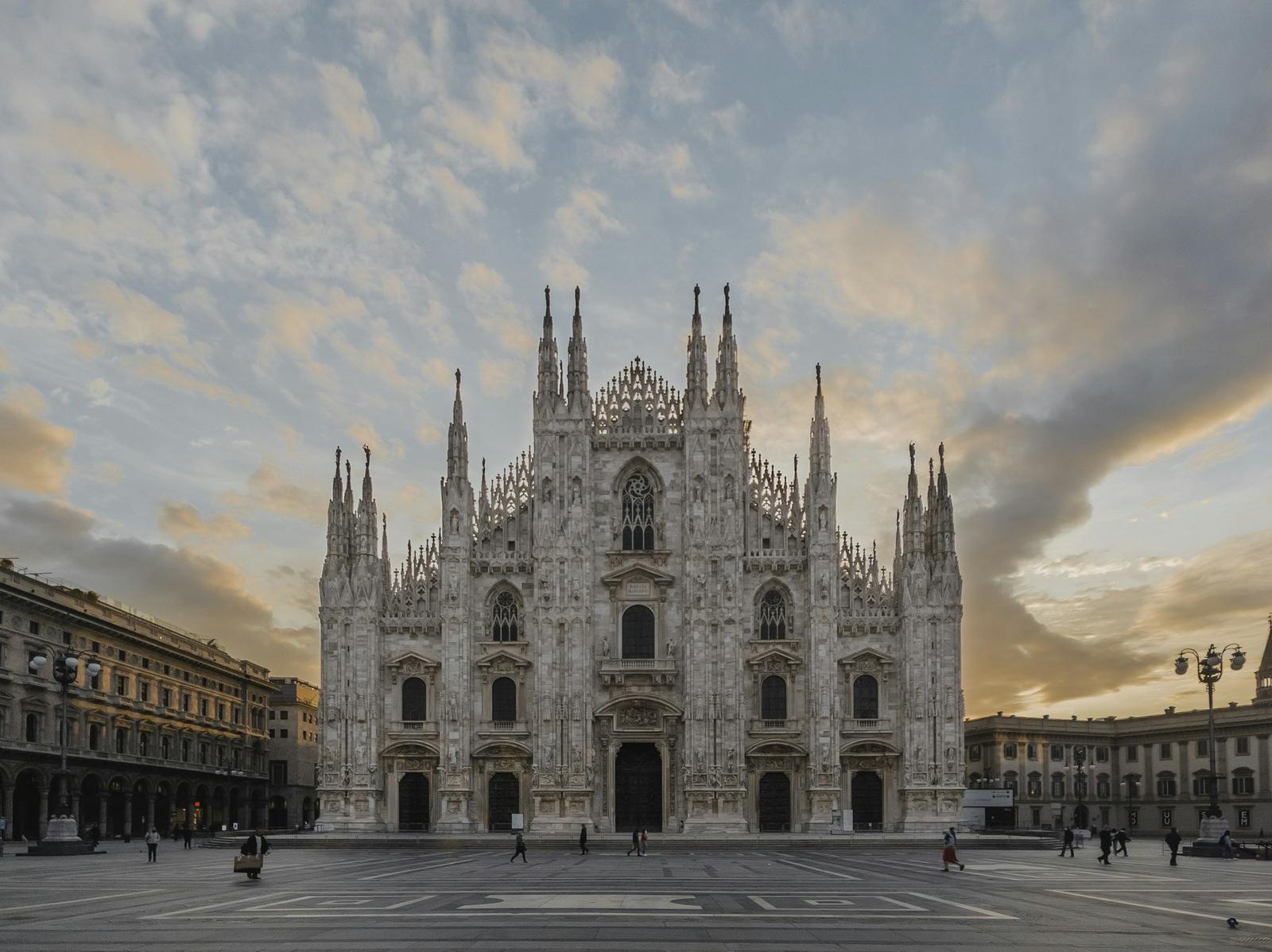
Bocconi, LUISS, Ca' Foscari, Bologna
Pavia, Milan, Bologna, Cattolica (Rome)
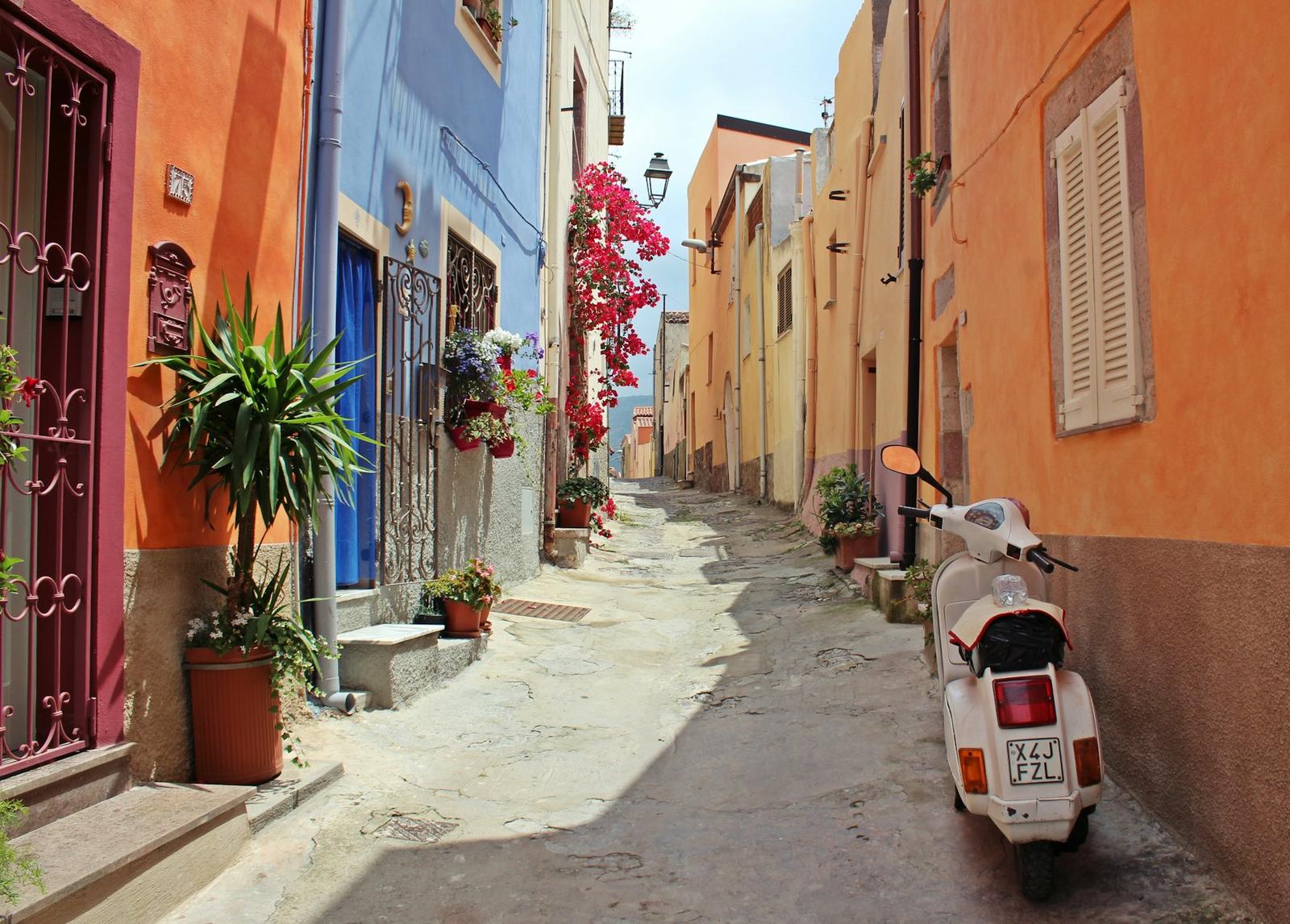
Politecnico di Milano and Milan's design schools
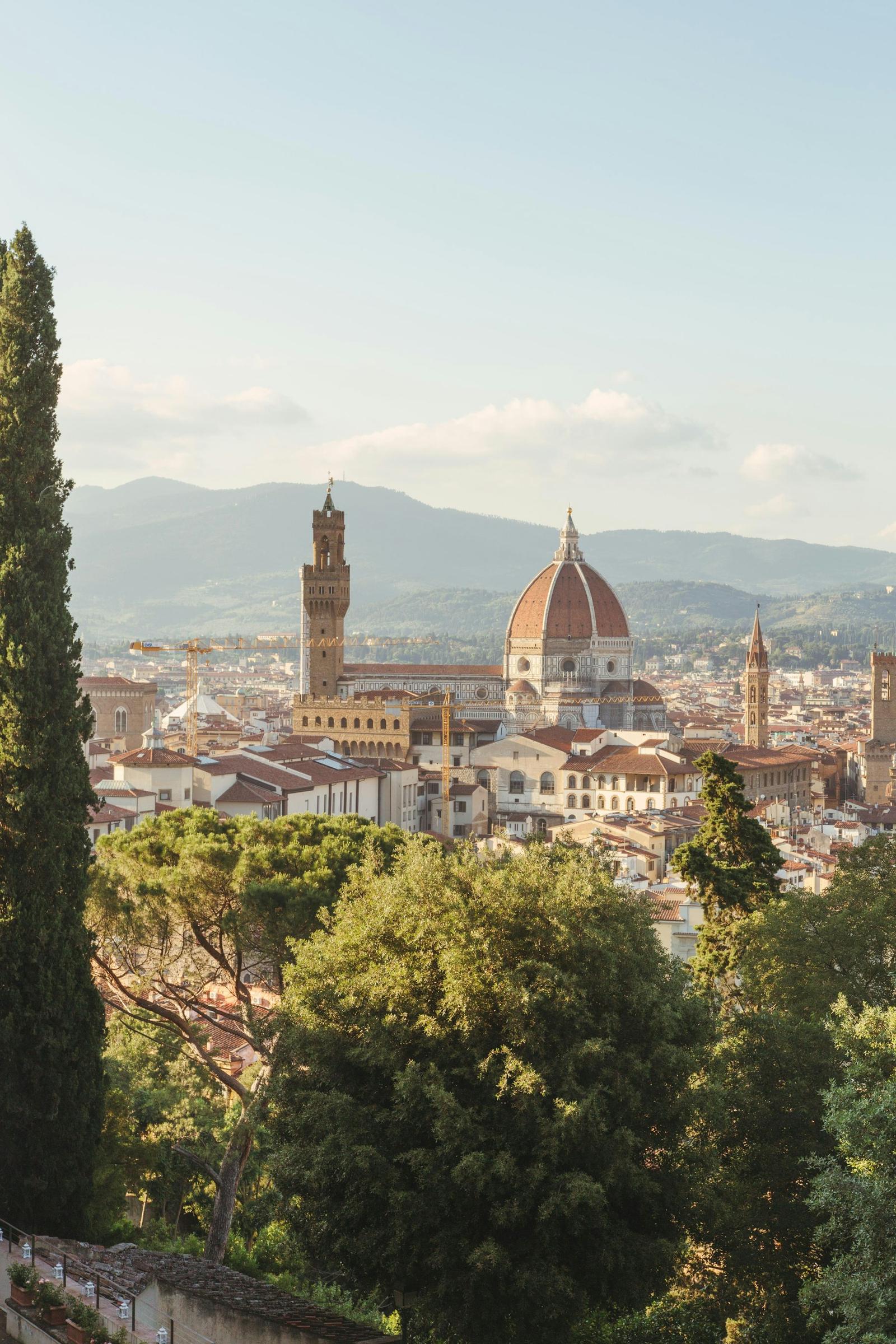
Politecnico di Milano, Politecnico di Torino, Sapienza
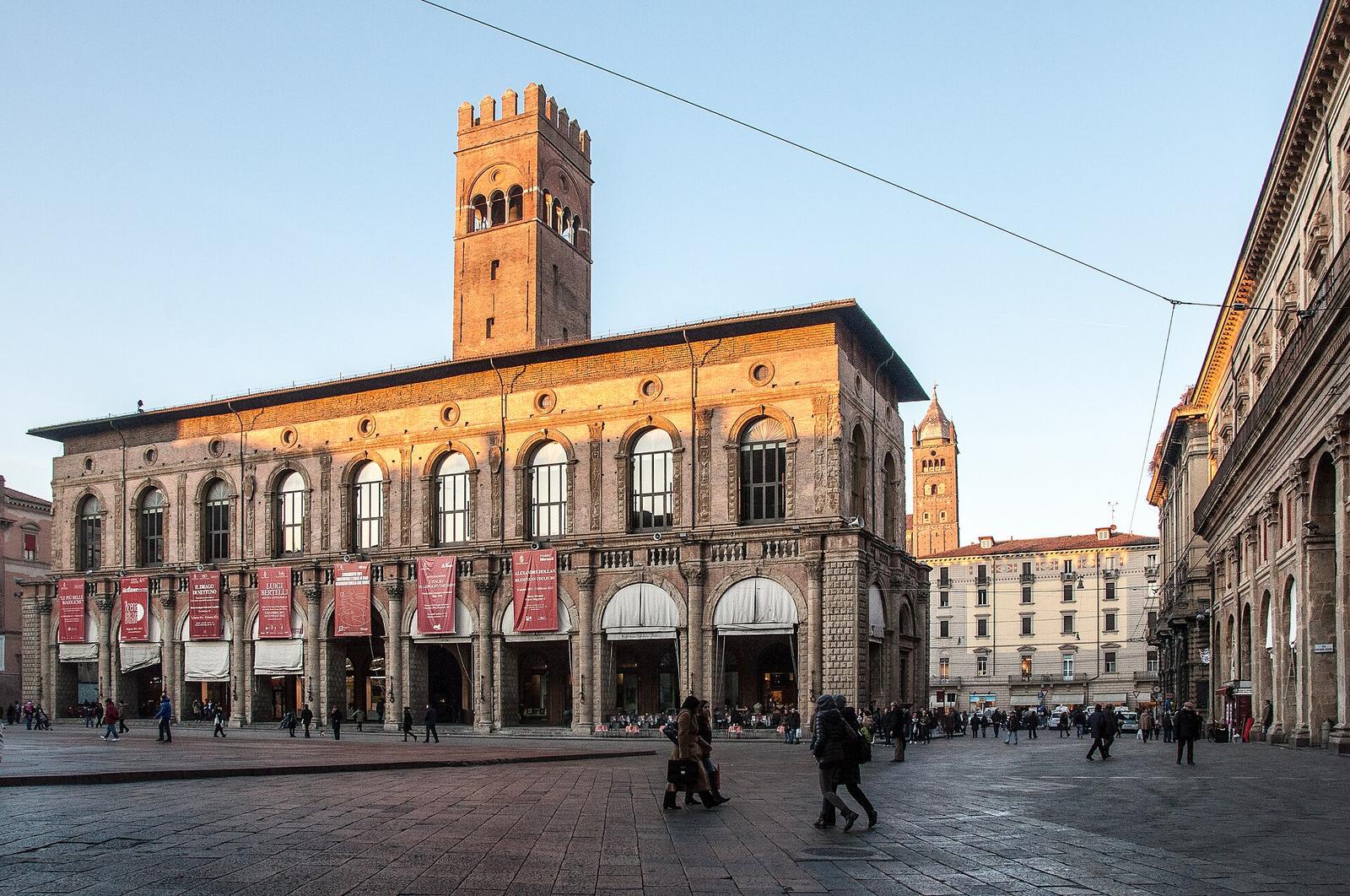
Bocconi, Bologna, Florence, Ca' Foscari
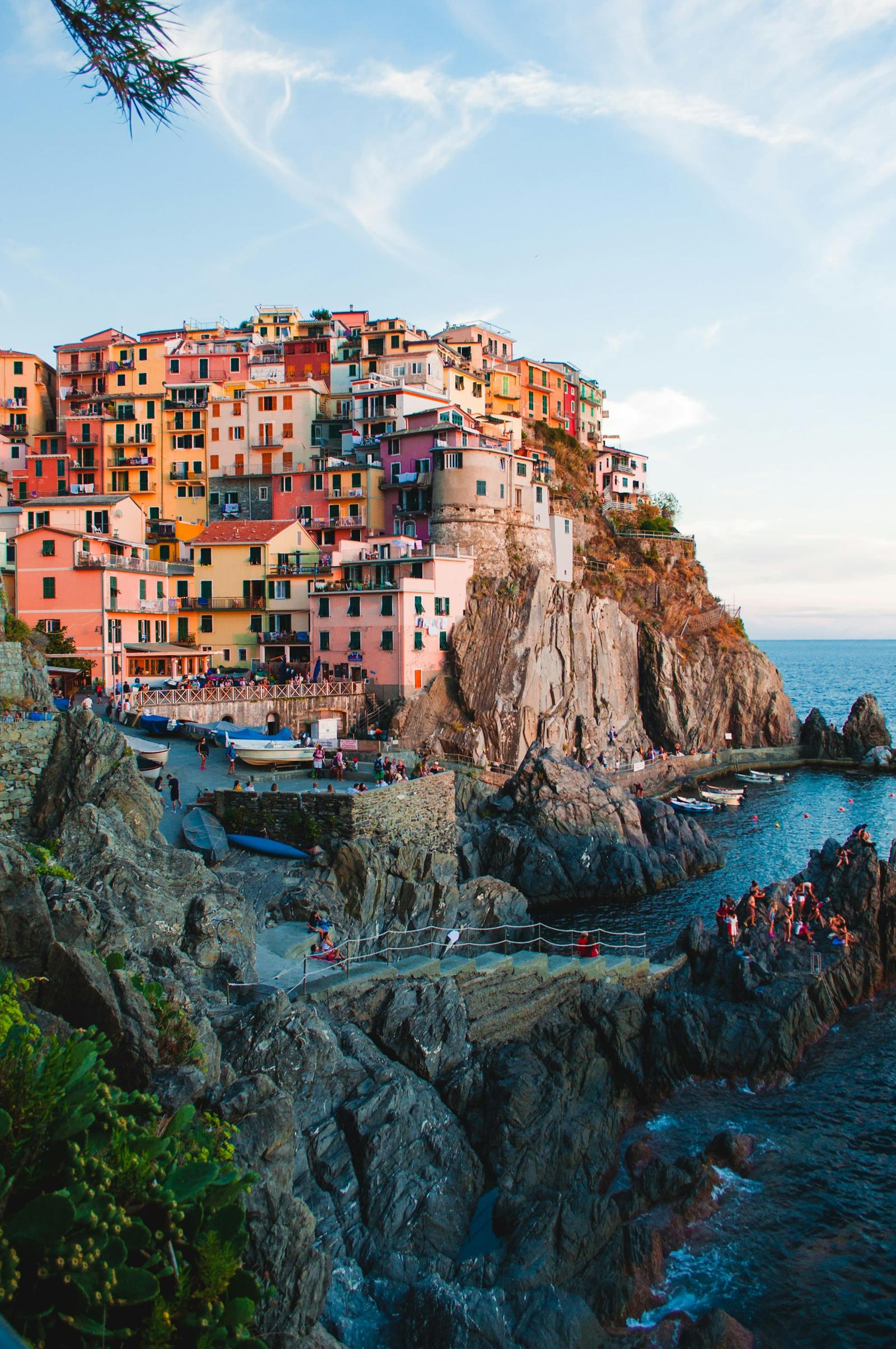
Universities and specialist schools across Italy
Padua, Florence, Sapienza, Bologna
Intakes
September is the main intake with the widest choice of courses and scholarships. February is smaller and offered for selected courses only.
September intakeMain
February intakeLimited
Typical windows. Each university sets its own deadlines; we build your plan from the earliest one on your shortlist.
MBBS in Italy
A six-year single-cycle degree. Public English-taught programmes admit through the IMAT; private universities run their own selection. Indian students must also meet NMC eligibility, including a qualifying NEET result.
Practising medicine after graduation depends on the registration rules of the country where you want to practise. We help you get written confirmation of any course or internship details that affect it.
FAQs
Not always. Many Italian universities accept a Medium of Instruction (MOI) letter from your previous institution as proof of English. Some programmes still prefer IELTS or TOEFL, so it depends on the course. We check this for every university on your shortlist.
The main intake is September – October, with applications typically opening January – April. Some universities offer a smaller February intake for selected courses. We recommend starting 6 – 8 months ahead.
Yes, you can apply to several universities at once. We help you balance ambitious and safer choices so you have options when offers arrive.
Often, yes. Undergraduate applicants with a gap of 2 – 3 years can usually explain it; postgraduate applicants can justify longer gaps with work experience or further study. A clear SOP matters here.
English-taught Medicine & Surgery at public universities uses the IMAT entrance test. Indian students must also meet NMC eligibility, including a qualifying NEET result. A qualifying NEET result alone doesn't guarantee a place, so we plan your IMAT preparation and backups early.
Book a free consultation by phone, WhatsApp or the form on this site. Bring your marksheets, passport details and any test scores if you have them.
Your next step
Get guidance on university options, application requirements and your next steps in a free, no-pressure consultation.